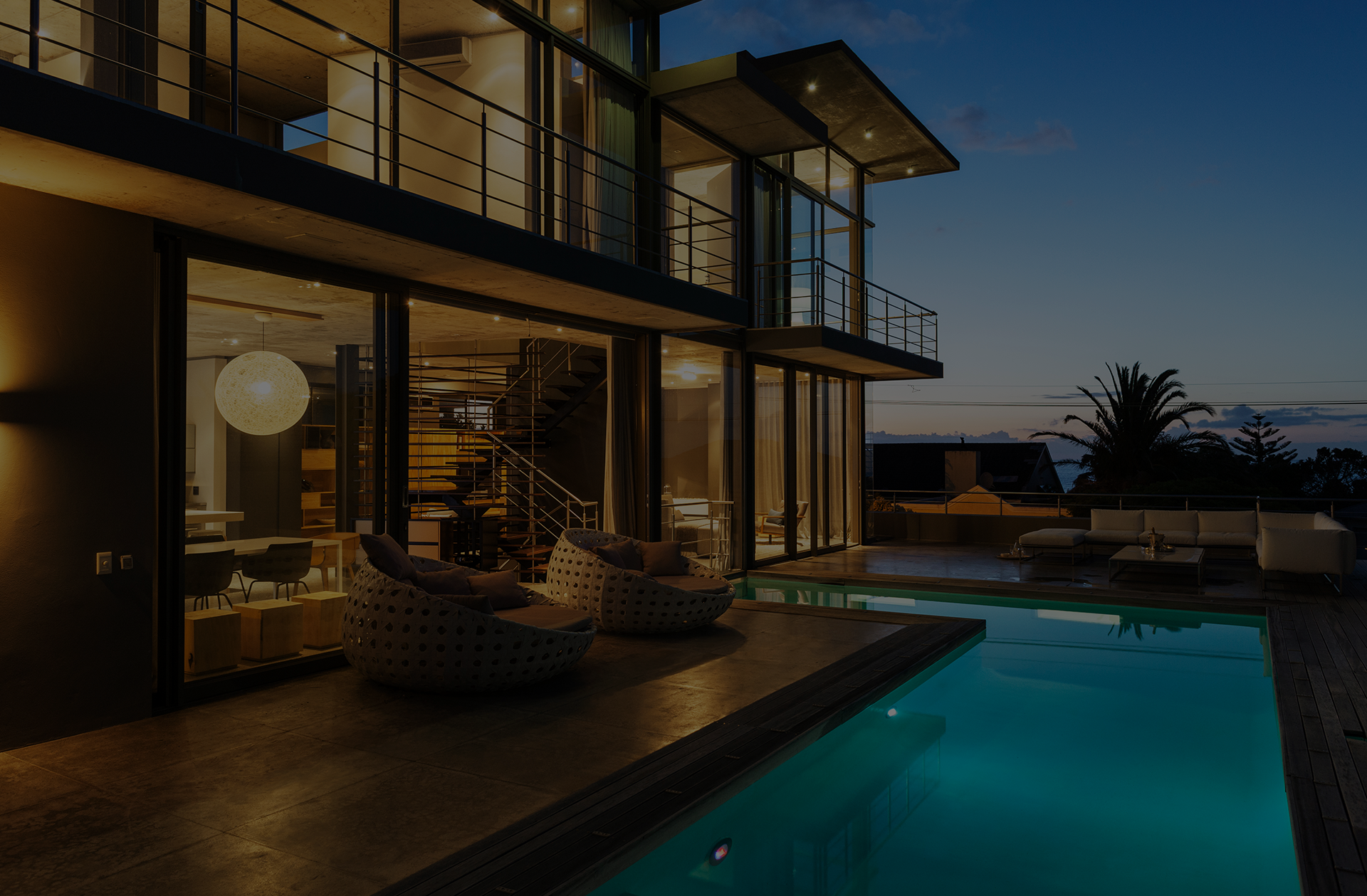
Contemporary open-plan living concepts
Harmonizing indoor elegance with biophilic outdoor design
Curating cohesive home decor balances functional architecture with bespoke aesthetic touches.
Residential Spatial Design Artistry
Mastering traffic flow in open-concept living spaces
Efficient floor plans prioritize circulation and natural light, transforming static areas into adaptive spaces. Aligning furnishings along pathways shifts homes from cluttered to serene. Wall mirrors amplify daylight, while textured area rugs and acoustic paneling add depth. Design choices, from room layout to ceiling height, dictate interaction within the residential environment.
Outdoor hardscaping and landscape vision
Extending indoor comfort onto garden terraces
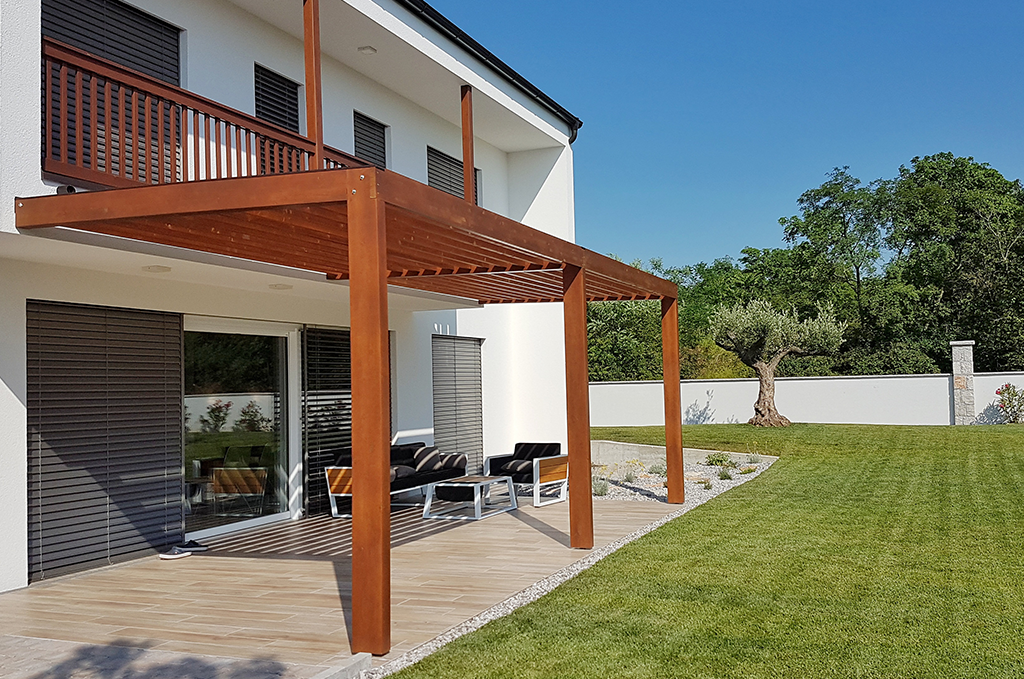
Terraces and patios bridge structured homes with organic gardens. Weatherproof materials like rot-resistant teak or composite decking ensure longevity against frost and UV while maintaining warmth. Vertical landscaping features like bioclimatic pergolas or trellises create privacy, allowing vines to weave natural shade patterns changing with solar positions daily.

Low-light indoor foliage selection
Large Monstera Deliciosa leaves purify toxins while adding dramatic structural greenery.

Perennial seasonal bloom rotation
Hardy perennials offer returning color, anchoring flower beds through seasonal climates.

Vertical hydroponic garden structures
Green walls maximize urban space by stacking culinary herbs in modular planters.
Interior aesthetic identity definition
Defining character through eclectic decorating style choices
Scandi-Minimalism prioritizes clean lines and decluttered surfaces, emphasizing negative space and simplicity. Conversely, Boho-Chic layers eclectic patterns, vintage textiles, and artisanal decor telling stories of artistic freedom. Industrial Lofts expose raw elements like exposed brick and steel, celebrating architectural mechanics. Selecting a specific design trend creates a consistent visual language, binding disparate rooms into a unified, harmonious residential experience.
Selecting upholstery pieces for durability and style
Investing in solid joinery ensures loveseats and dining sets withstand heavy traffic while acting as central anchors for family gatherings.

Modular sectional seating systems
Corner sofas offer modularity, allowing residents to reconfigure layouts based on social needs or compact spatial constraints.

Statement LED lighting fixtures
Chandeliers and pendant lights act as functional sculptures, directing focus and setting the mood with dimmable luminescence.

Organic textile accent layers
Cushion covers and merino throws introduce softness and color contrast, instantly updating a room without major renovation.
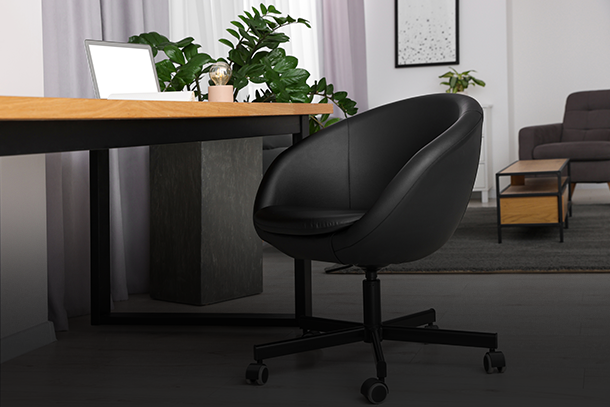
Office chairs designed with ergonomic contours prevent fatigue during long dinners or extended periods of telecommuting.
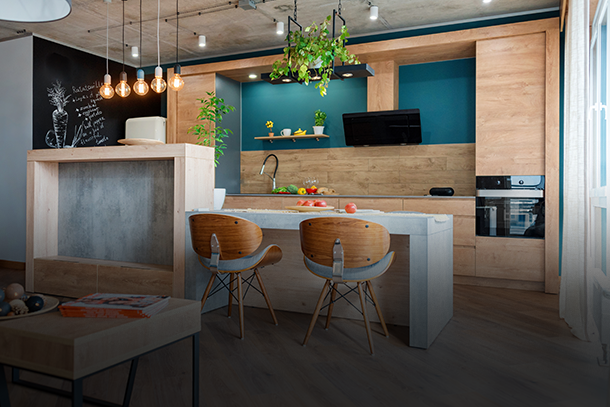
FSC-certified wood and recycled metals reduce carbon footprint while adding unique historical character to modern pieces.
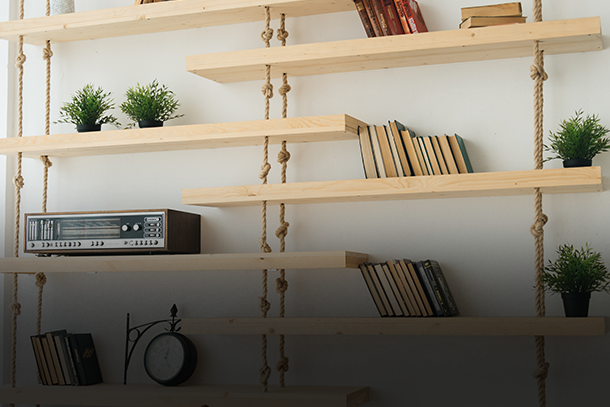
Storage ottomans and floating shelves maximize vertical space to keep household clutter out of sight.

Washable velvet and treated linens repel spills, making elegant furniture practical for homes with pets or children.
Personal DIY project execution
Customizing environments through DIY restoration projects
Refurbishing vintage finds enables creative expression, transforming worn cabinetry into bespoke vanities with chalk paint and brass hardware. Installing wall-mounted shelving or beadboard adds architectural interest to plasterboard without structural changes. Involvement in home renovation fosters deeper connections, as every sanded surface and primed trim reflects individual effort and specific design vision.
Optimizing small room layouts for visual depth
Strategic placement of tall bookcases draws eyes upward, while low-profile coffee tables maintain clear sightlines across seating areas.
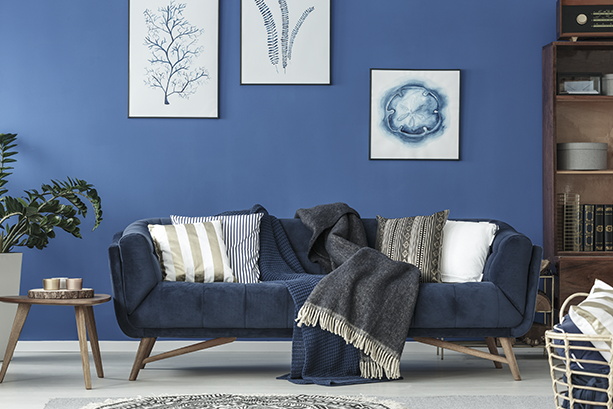
Monochromatic color palette consistency
Repeating a specific accent color across upholstery, art, and vases creates a subconscious rhythm that unifies different zones.
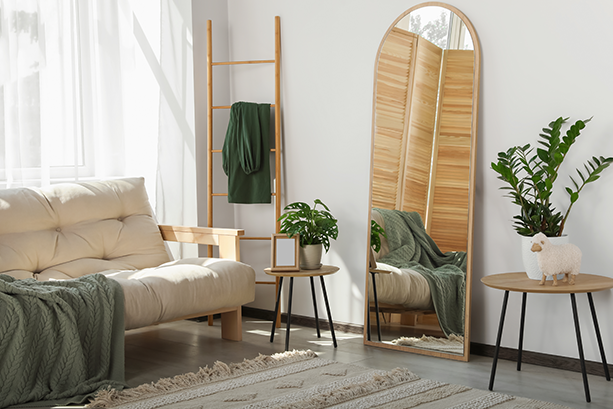
Glass and reflective surface utilization
Full-length mirrors opposite windows double perceived space and bounce natural light into darker corners of corridors.
Indoor Botanical inspirations
Bringing biophilic design indoors with style
Houseplants and flowers transform spaces, adding color, texture, and life. Thoughtful arrangements of succulents, fresh bouquets, or hanging pothos elevate interior design while promoting calm. Incorporating natural scents through fragrant blossoms or aromatic herbs enhances atmospheres, creating a refreshing, vibrant environment that nurtures well-being and creativity daily.